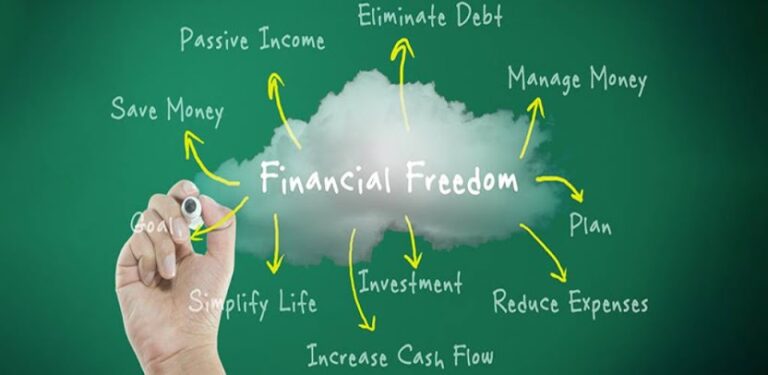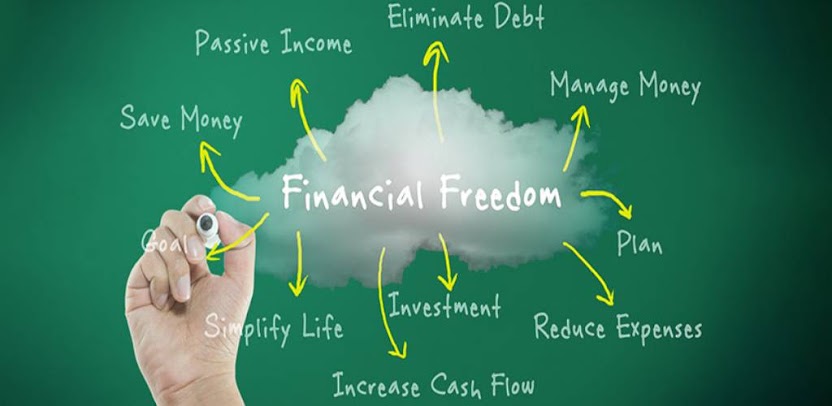
Financial Freedom in a Changing World: Smart Money Strategies for Long-Term Stability

In today’s fast-paced economy, financial stability is no longer a luxury—it is a necessity. People around the world are searching for ways to grow their income, save efficiently, and prepare for an uncertain future. With inflation rising and digital technology reshaping the way we earn and spend, understanding the basics of finance has become more important than ever. Whether you are a young professional, a business owner, or someone planning for retirement, building a strong financial foundation can help you navigate any economic condition with confidence.
This guide explores practical, beginner-friendly steps to help you manage money wisely, build long-term wealth, and secure financial independence. The goal is not just to earn more but to make smarter financial decisions every day.
Why Financial Education Matters Today
A few decades ago, managing money was much simpler. People relied on salaries, pensions, and savings accounts. Today, the financial landscape is filled with digital investments, credit card systems, online businesses, and global markets. Without proper financial knowledge, it’s easy to fall into debt, lose money on poor investments, or struggle during economic downturns.
Financial education empowers you to:
- Understand how money works
- Make informed financial decisions
- Build multiple income streams
- Protect yourself against risks
- Improve your long-term financial well-being
Simply put, financial education is the key to unlocking financial freedom.
1. Building a Solid Budget: The Foundation of Smart Finance
A budget is not just a list of expenses—it is a roadmap for your financial success. Many people avoid budgeting because they believe it restricts their lifestyle, but in reality, budgeting gives you more control and helps you prioritize what matters most.
The 50/30/20 Rule
A simple yet effective way to manage your income is to follow the 50/30/20 method:
- 50% for needs – rent, groceries, utilities, transportation
- 30% for wants – leisure, entertainment, shopping
- 20% for savings and debt repayment
This system helps maintain financial balance while avoiding overspending.
Track Your Spending
Use mobile apps or spreadsheets to track where your money goes each month. Most people are surprised to discover how much they spend on non-essentials like takeout food or subscriptions they no longer use.
Create an Emergency Fund
An emergency fund should ideally cover 3 to 6 months of living expenses. This safety cushion protects you from unexpected events such as job loss or medical bills.
2. Mastering Personal Savings: Small Steps, Big Impact
Saving money is a habit, not a one-time action. Many people struggle with saving because they try to save whatever is “left over” after spending. Instead, make saving a priority.
Pay Yourself First
Set aside a fixed percentage of your income before spending on anything else. Automate this process if possible.
Use High-Yield Savings Accounts
Traditional savings accounts offer very low interest rates. High-yield accounts provide better returns and help your savings grow faster over time.
Set Clear Savings Goals
Whether you’re saving for a home, a car, education, or retirement, having a goal motivates you to stay consistent.
3. Credit Management: How to Build and Maintain Good Credit
Your credit score influences your ability to borrow money, rent a home, or even secure certain jobs. A strong credit score shows lenders that you are a responsible borrower.
Tips for Maintaining Good Credit
- Pay bills on time
- Keep credit card balances low
- Avoid opening too many accounts
- Check your credit report regularly for errors
Good credit opens doors to lower interest rates, which means less money spent on loans and mortgages.
4. Smart Investing: Growing Your Wealth Over Time
Investing can sound complicated, but it is one of the most effective ways to build long-term wealth. You do not need to be an expert—just start small and stay consistent.
Popular Investment Options
- Stocks – Ownership in companies; high reward potential but carries risk
- Mutual Funds & ETFs – Diversified portfolios managed by professionals
- Real Estate – Long-term appreciating asset
- Retirement Accounts – Such as 401(k), IRA, or pension funds
The Power of Compound Interest
Compound interest allows your money to grow exponentially. Even small investments made consistently can turn into substantial wealth over years.
Long-Term Investing is Key
Short-term trading can be risky. Most financial experts agree that long-term investing—5 years or more—offers better results and fewer emotional decisions.
5. Multiple Income Streams: The Modern Path to Financial Security
Relying on a single source of income can be risky in today’s economy. Building multiple income streams provides stability and accelerates your journey to financial independence.
Types of Additional Income Streams
- Freelancing or consulting
- Online businesses
- Affiliate marketing
- Real estate rentals
- Investment dividends
- Digital products (eBooks, courses, designs)
Even a small side income can significantly improve your savings and reduce financial stress.
6. Protecting Your Wealth: Insurance and Risk Management
Growing your wealth is important, but protecting it is equally essential. Unexpected events such as accidents, illness, or natural disasters can result in major financial loss.
Essential Types of Insurance
- Health insurance
- Life insurance
- Home or renter’s insurance
- Vehicle insurance
Insurance acts as a shield, ensuring that you and your family stay financially stable during difficult times.
7. Planning for Retirement Early
Retirement may seem far away, but the earlier you start planning, the easier it becomes. Inflation continues to rise, and depending solely on government pensions is becoming less reliable.
Why Start Early?
Starting early allows your investments more time to grow. Small contributions made today can turn into significant retirement funds in the future.
Final Thoughts: Take Control of Your Financial Future
Financial freedom is not about being rich—it is about having control over your money and your life. By budgeting effectively, saving consistently, making smart investments, and protecting your assets, you can build a stable financial future regardless of your income level or economic conditions.