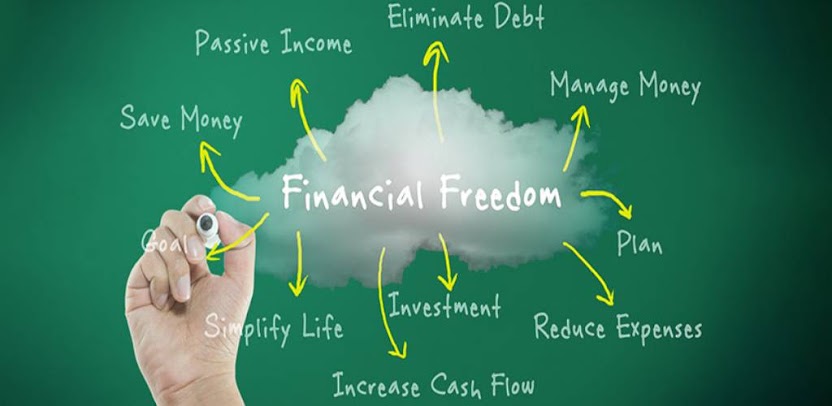
Achieving Financial Freedom: Practical Steps to Break Free From Money Stress and Build a Secure Future

Financial freedom is a powerful goal—one that many dream about, but few fully understand. To some, it means living without debt. To others, it means having enough money to retire early, travel the world, or start a business. In reality, financial freedom is simply the ability to live life on your own terms without constant financial stress. And the good news? It is achievable for anyone willing to plan, commit, and stay consistent.
In this guide, you’ll learn what financial freedom truly means, why it’s important, and the smart steps you can take to start building it today.
What Financial Freedom Really Means
Financial freedom isn’t about being extremely rich. It’s about control—control over your time, your money, and your choices. A financially free person does not rely solely on a paycheck. They have savings, investments, and multiple income streams that support their lifestyle.
Being financially free means:
- You can pay your bills without stress
- You have savings for emergencies
- You’re not buried in debt
- You have money working for you
- You can make choices without fear of going broke
This level of freedom brings peace, stability, and the opportunity to design the life you truly want.
Why Financial Freedom Matters More Than Ever
Today’s world is unpredictable. Job markets change, industries disappear, and inflation affects everything from groceries to housing. Without financial stability, unexpected life events can cause major setbacks.
Financial freedom protects you from uncertainty by giving you:
- A cushion during emergencies
- The ability to walk away from toxic jobs
- More opportunities for career growth
- Less stress about the future
- The option to retire comfortably or early
It’s not just about money—it’s about freedom, time, and peace of mind.
1. Start With a Clear Financial Vision
You cannot reach financial freedom without knowing exactly what it looks like for you. Everyone’s idea of financial independence is different.
Ask yourself:
- What lifestyle do I want?
- How much money do I need monthly to live comfortably?
- Do I want to retire early?
- Do I want to travel or start a business?
- Do I want to live debt-free?
Write your answers down. This becomes your financial roadmap.
2. Track Your Spending and Understand Your Money Flow
Many people struggle financially not because they don’t earn enough, but because they don’t know where their money goes. Tracking your spending is one of the most powerful financial habits you can develop.
What to track:
- Daily expenses
- Monthly bills
- Subscriptions
- Impulse purchases
- Savings and investments
Use a notebook, spreadsheet, or budgeting app—whatever works best.
Awareness is the first step toward financial control.
3. Create a Realistic Budget That Supports Your Goals
A budget is not a restriction—it’s a strategy. It helps you control your money so you can use it wisely.
Popular budgeting methods:
✔ 50/30/20 Rule
- 50% Needs
- 30% Wants
- 20% Savings/investments
✔ Zero-Based Budgeting
Every dollar is assigned a purpose.
✔ Pay-Yourself-First Method
Save first, spend later.
Choose the method you can stick with consistently.
4. Eliminate Bad Debt and Avoid High-Interest Traps
Debt is one of the biggest obstacles to financial freedom. High-interest loans, credit cards, and unnecessary installment payments drain your money and delay your goals.
To escape debt fast:
- Stop borrowing more money
- Use the snowball or avalanche method
- Seek lower interest rates
- Prioritize high-interest balances
Every dollar you pay toward debt is a step closer to freedom.
5. Build a Strong Emergency Fund
Life is unpredictable—illness, job loss, car repairs, and other emergencies can appear suddenly. Without savings, you may be forced back into debt.
Aim for:
- 3–6 months of essential expenses
- Stored in a high-yield savings account
- Used only for true emergencies
An emergency fund is your financial safety net.
6. Start Investing Early to Build Wealth Over Time
Saving alone is not enough to create financial freedom. Investing is what grows your wealth and helps you reach independence faster.
Beginner-friendly investment options include:
- Index funds
- ETFs
- Mutual funds
- Bonds
- Real estate
- Retirement accounts
- Dividend-paying stocks
You don’t need a lot of money to start—just consistency.
Why investing works:
Investing uses compound growth, meaning your money earns money, and that money earns even more over time. This is how ordinary people become financially free.
7. Build Multiple Income Streams
Depending only on your salary is risky. Financially free people have several income sources that help them weather bad times and grow wealth faster.
Examples of extra income streams:
- Freelancing
- Part-time online jobs
- Content creation
- Selling digital products
- Rental income
- Affiliate marketing
- Small online businesses
- Dividends from investments
Each additional income stream reduces your financial stress.
8. Practice Smart, Purposeful Spending
You don’t need to live like a monk to achieve financial freedom. The goal isn’t to deprive yourself—it’s to be intentional.
Smart spending habits include:
- Buy what you need, not what impresses others
- Avoid impulse purchases
- Compare prices before buying
- Delay big purchases for 24 hours
- Cancel unused or unnecessary subscriptions
- Prioritize quality over quantity
Every small saving grows into something big over time.
9. Protect Your Future With the Right Insurance
Insurance is a crucial part of financial stability. It protects your finances from sudden, unexpected costs that could wipe out your savings.
Consider:
- Health insurance
- Life insurance
- Auto or home insurance
- Income protection insurance
Protection is part of financial freedom.
10. Create Long-Term Financial Goals and Stick to Them
Financial freedom isn’t built in a day—it’s built through long-term planning and discipline.
Set goals that motivate you and revisit them often.
Examples of long-term goals:
- Owning a home
- Paying off debt
- Building a retirement fund
- Saving for education
- Reaching investment milestones
Having a plan keeps you focused and inspired.
Final Thoughts: Start Today, No Matter Where You Are
Financial freedom is not about earning millions. It’s about making smart decisions, building strong habits, and creating stability. Whether you’re earning a little or a lot, you can start today.
Here’s how to begin:
- Track your spending
- Create a simple budget
- Cut unnecessary expenses
- Pay off one debt
- Save your first emergency fund amount
- Start investing even a small amount
- Build new income streams
The journey may take time, but every step forward matters.
Your future self will thank you for the decisions you make today.